Source Bluetooth APP LiFePO4 Battery for E Bikes, Solar Systems, and Power Tools
Find 30 listings for Bluetooth APP LiFePO4 Battery options suitable for electric bicycles, solar energy storage, and power tools. Buyers can compare specifications like cycle life, voltage, and certifications from verified suppliers in Guangdong, China.
Key considerations
Products List


LiFePO4 12V 200ah Battery with Wireless Bluetooth Communications Built in
$500.00 - $800.00
MOQ: 50 Pieces

LiFePO4 Li-ion Battery Pack 12V 100ah 150ah 200ah with Bluetooth BMS
$399.00 - $499.00
MOQ: 100 Pieces


24V200ah Lithium/LiFePO4 Batteries for Solar Power System with BMS Bluetooth APP
$700.00 - $1500.00
MOQ: 1 Pieces

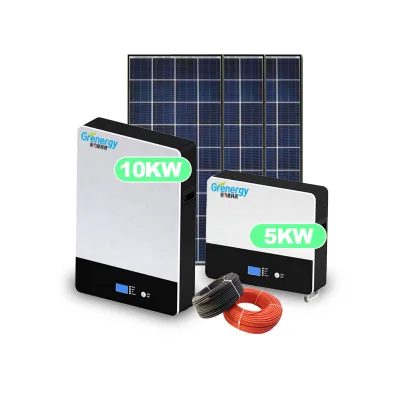


High Quality Lithium Storage Battery 24V/48V 100ah 200ah LiFePO4 Bluetooth Optional
$939.00 - $2000.00
MOQ: 1 Pieces
Comprehensive Sourcing Guide
Sourcing Guide for Bluetooth-Enabled LiFePO4 Battery Systems
The global transition toward sustainable energy storage has elevated the demand for Lithium Iron Phosphate (LiFePO4) batteries, particularly those integrated with Bluetooth connectivity for real-time monitoring. For B2B procurement professionals, sourcing these systems requires a disciplined approach that balances technical performance with supply chain reliability. The following guide synthesizes available market data and industry standards to provide a structured framework for evaluating suppliers and products in this specialized category.
Technical Architecture and Performance Specifications
When evaluating LiFePO4 battery packs, the internal chemistry and physical architecture dictate the operational envelope. Unlike older lithium-ion chemistries, LiFePO4 offers superior thermal stability and a longer cycle life, making it ideal for high-frequency applications. Buyers must verify that the specific product under consideration utilizes prismatic cells, as these are often preferred for their structural integrity and energy density in large-format packs.
The electrical characteristics are critical for system integration. Observed market data indicates a wide variance in discharge rates, ranging from low to medium discharge capabilities depending on the intended application. For applications requiring sustained power delivery, such as electric bicycles or solar energy storage, a medium discharge rate is typically preferred. Conversely, low discharge rates may suffice for backup power or light industry applications. The maximum charge voltage is a crucial safety parameter; standard configurations often cap at 14.6V for 12V nominal systems, while the discharge cut-off voltage is typically set around 10V to prevent deep discharge damage.
Physical dimensions and weight are equally significant for logistics and installation. The market presents a spectrum of sizes, from compact units suitable for small appliances to large-format batteries measuring approximately 305mm by 173mm by 225mm. Weight specifications can vary significantly, with some heavy-duty packs reaching 13.5kg. The housing material is predominantly a blend of ABS and PC (Polycarbonate), providing a robust enclosure that resists impact and environmental degradation. For Bluetooth-enabled models, the internal architecture must accommodate a Battery Management System (BMS) capable of handling balance currents between 50-100mA and maintaining a low sleep mode current of 50-100µA to preserve battery health during inactivity.
Connectivity and Smart Monitoring Capabilities
The defining feature of the "bluetooth app" keyword is the integration of wireless communication modules. This functionality transforms a passive energy storage unit into an active node within a smart energy ecosystem. The primary value proposition lies in the ability to monitor state of charge (SOC), voltage, temperature, and current in real-time via a mobile application.
Buyers should verify that the Bluetooth module supports standard low-energy protocols to ensure compatibility with a wide range of consumer and industrial smartphones. The BMS must be capable of transmitting data reliably without draining the battery significantly. Key performance metrics for the connectivity module include the balance current, which ensures cell-to-cell voltage consistency, and the sleep mode current, which minimizes power loss when the system is idle.
The application interface should provide clear visualization of the battery's health. Features such as cycle counting, temperature monitoring, and fault detection are essential for preventative maintenance. In scenarios involving solar energy storage or electric mobility, the app may also need to support integration with external controllers or inverters. The presence of a low-voltage switch support feature allows the system to automatically disconnect loads when voltage thresholds are breached, protecting the battery from irreversible damage.
Compliance, Certification, and Safety Standards
Navigating the regulatory landscape is a non-negotiable aspect of B2B procurement. LiFePO4 batteries are subject to rigorous testing and certification requirements to ensure safety during transport and operation. Buyers must demand documentation proving compliance with international standards.
Key certifications to verify include CE, UL, RoHS, and IEC 62133. The IEC 62133 standard specifically addresses the safety requirements for portable secondary lithium cells and batteries, covering electrical, mechanical, and environmental tests. For transportation, UN38.3 certification is mandatory, ensuring the battery can withstand the rigors of shipping, including altitude simulation, thermal cycling, and vibration tests.
Additional certifications such as CB, ISO, and EST may be relevant depending on the target market and application sector. While some suppliers may reference standards like IEC 62619 or UL 1973, buyers should confirm that these are explicitly listed on the product datasheet or certificate of conformity rather than assuming compliance based on general industry knowledge. The presence of a "Ce, UL, RoHS, IEC62133, Un38.3, etc" listing suggests a comprehensive approach to compliance, but verification of the specific test reports is essential.
Cost Drivers and Procurement Economics
The pricing of LiFePO4 battery systems is influenced by several variables, including cell origin, capacity, and the complexity of the BMS. Market observations show a price range spanning from approximately $15.17 to $3967, reflecting the diversity of product sizes and capacities available. This wide variance underscores the importance of defining precise requirements before soliciting quotes.
The cost of the battery cells themselves is a primary driver. Cells sourced from reputable manufacturers such as LG, SANYO, or Samsung typically command a premium but offer higher consistency and longevity. The choice of housing material, such as the ABS+PC blend, also impacts the final cost, as does the customization level. Customized dimensions or specific BMS configurations will increase the unit price compared to standard off-the-shelf models.
Minimum Order Quantity (MOQ) is another critical economic factor. Suppliers may offer MOQs ranging from 1 unit for sample orders to 200 units for bulk procurement. Buyers seeking to minimize inventory risk should look for suppliers who accept small orders, as this allows for rigorous testing before committing to large-scale deployment. The daily production capacity of the supplier, often cited as 10-12k battery packs, can also influence lead times and pricing stability during peak demand periods.
Typical Applications and Use Cases
LiFePO4 batteries with Bluetooth connectivity are versatile and serve a broad spectrum of industries. The specific application dictates the required specifications, from discharge rates to physical dimensions.
| Application Sector | Key Requirements | Typical Specifications |
|---|---|---|
| Electric Mobility | High discharge rate, robust BMS, vibration resistance | 12V-48V systems, LG/SANYO cells, ABS housing |
| Solar Energy Storage | Long cycle life, low self-discharge, remote monitoring | 100Ah+ capacity, 2000+ cycles, UN38.3 certified |
| Light Industry | Reliability, safety, standard dimensions | 150W/154Wh options, 180mm x 195mm x 110mm |
| Home Appliances | Compact size, low noise, safety | Small form factor, 10V cut-off voltage |
| Toys and Recreational | Cost-effective, lightweight | Low discharge rate, standard packaging |
In the electric mobility sector, batteries must withstand high current draws and mechanical stress. The ability to monitor temperature and voltage via an app is crucial for rider safety and battery longevity. For solar energy storage systems, the focus shifts to cycle life and calendar life. Products with a cycle life of 2000 cycles and a calendar life of more than 5 years are highly desirable for these applications. The warranty period, often 24 months, provides a baseline for supplier confidence, though some applications may require extended coverage.
Supplier Evaluation and Quality Assurance
Selecting the right supplier requires a multi-faceted evaluation process that goes beyond price and specifications. The place of origin is a significant indicator of supply chain maturity. Many high-quality LiFePO4 manufacturers are located in Guangdong, China, a region known for its robust electronics manufacturing ecosystem. However, the presence of a specific location does not guarantee quality; buyers must verify the supplier's track record and production capabilities.
Quality control should be a central component of the procurement strategy. Buyers should request detailed test reports for every batch, including capacity testing, internal resistance measurements, and safety compliance documentation. The condition of the product must be verified as "New," and the packaging should be robust, typically utilizing carton packaging designed to protect the battery during transit.
The supplier's ability to offer customization is a key differentiator. Many manufacturers provide options for custom dimensions, specific BMS configurations, and tailored branding (OEM). This flexibility allows buyers to integrate the battery seamlessly into their existing products or systems. Additionally, the availability of accessories, such as specific battery types or mounting hardware, should be confirmed.
Long-Term Procurement and Lifecycle Management
Sourcing LiFePO4 batteries is not a one-time transaction but a long-term partnership. Buyers must consider the total cost of ownership, which includes not only the initial purchase price but also maintenance, replacement, and disposal costs. The warranty period, typically 24 months, is a critical factor in this calculation. A robust warranty indicates the supplier's confidence in their product's durability.
Lifecycle management also involves planning for end-of-life disposal. Compliance with RoHS and other environmental standards ensures that the battery can be recycled or disposed of safely. The calendar life of the battery, often exceeding 5 years, suggests that the asset will remain functional for a significant period, reducing the frequency of replacement.
Buyers should also consider the scalability of the supply chain. A supplier with a daily production capacity of 10-12k battery packs is better positioned to handle volume fluctuations and ensure consistent supply during high-demand periods. The ability to accept small orders initially allows for a phased rollout, reducing the risk associated with large-scale adoption.
In conclusion, sourcing Bluetooth-enabled LiFePO4 batteries requires a meticulous approach that balances technical specifications, regulatory compliance, and supply chain reliability. By focusing on verified certifications, understanding the specific needs of the application, and evaluating the supplier's long-term capabilities, buyers can secure high-quality energy storage solutions that meet their operational and strategic goals. The integration of smart monitoring capabilities via Bluetooth further enhances the value proposition, providing data-driven insights that optimize performance and extend the lifespan of the battery systems.
FAQs
What certifications are required for Bluetooth APP LiFePO4 Battery packs?
Required certifications include CE, UL, RoHS, IEC62133, and UN38.3. Some products also carry CB, ISO, or EST marks depending on the specific model and target market requirements.
Can bluetooth app lifepo4 batteries support low-voltage switching?
Yes, these batteries support low-voltage switching to protect against deep discharge. The system typically disconnects loads when voltage thresholds are breached to ensure safety.
How long is the warranty period for Bluetooth APP LiFePO4 Battery packs?
The standard warranty period is 24 months for most models. Some specific applications may offer coverage lasting less than five years depending on the supplier agreement.
What is the maximum charge voltage for these lithium-ion battery packs?
The maximum charge voltage is typically 14.6V for standard 12V nominal systems. This limit prevents overcharging and ensures the longevity of the internal cell chemistry.
Which discharge rates are available for bluetooth app lifepo4 batteries?
Available discharge rates range from low to medium depending on the application. Medium rates suit electric mobility while low rates fit light industry or backup power needs.
How many cycles can a Bluetooth APP LiFePO4 Battery typically endure?
These batteries typically endure 2000 cycles before significant capacity loss. This cycle life supports long-term use in solar storage and electric mobility applications.